Aqua Snow Development Update: Closing 2025 and Looking Ahead
Aqua Snow Development Update: Closing 2025 and Looking Ahead
As we move toward the end of 2025, we would like to share an update on the research and development progress of AquaSnow. Through 2025, we have continued to validate AquaSnow through controlled trials, with the goal of developing a reliable and scalable alternative to live feeds.
Results From the ARC Trial in Belgium
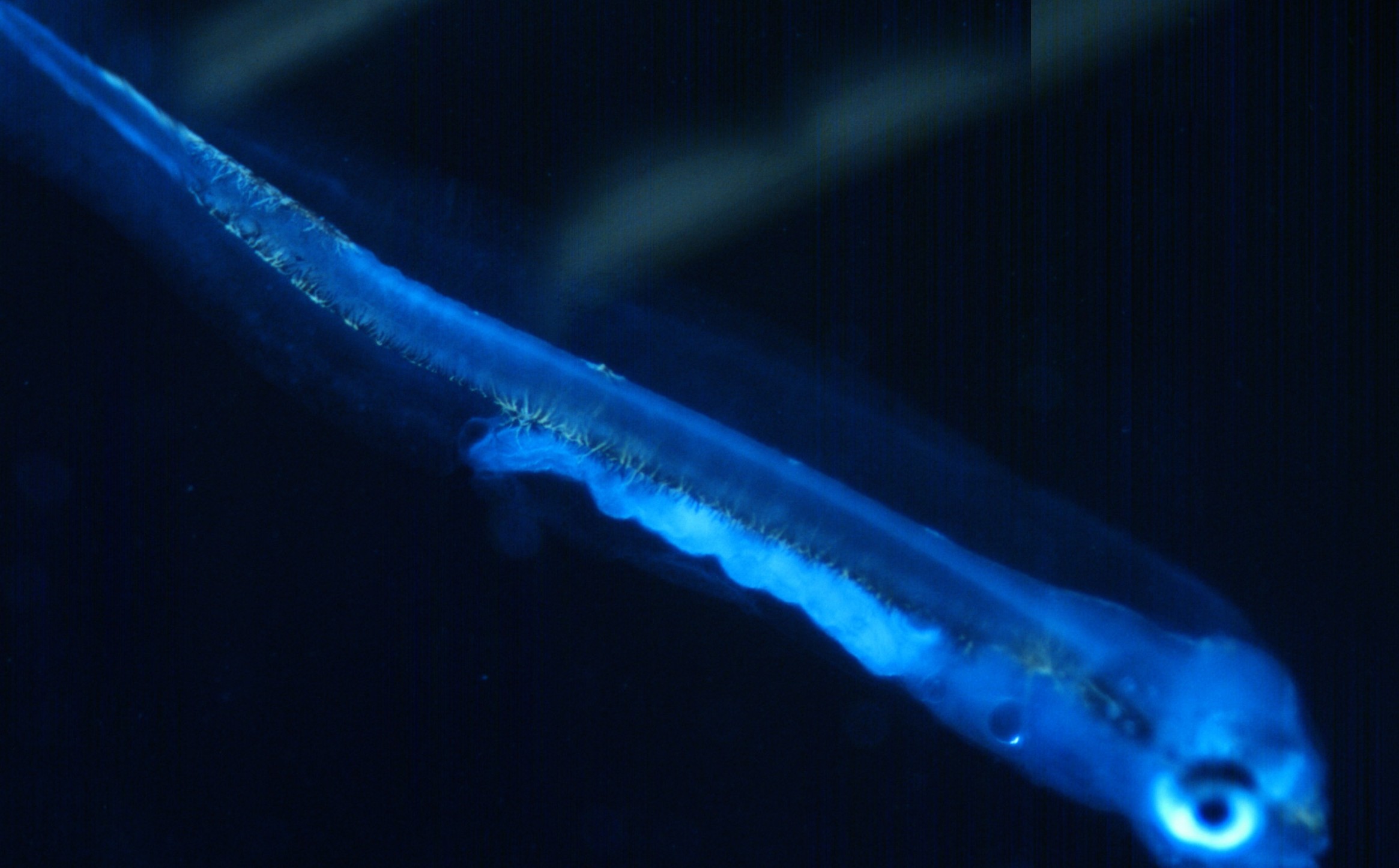
Earlier this year, we conducted a research trial at the Artemia Reference Center in Ghent, Belgium. This trial focused on European sea bass and was designed to evaluate the performance of Aqua Snow during the early larval stages.
From both the summer trials and the ARC validation, we confirmed that AquaSnow can function as a rotifer replacement diet. Growth was comparable to live feeds up to 13 days post hatch. These results aligned closely with what we observed during our internal trials earlier in the year at CTAqua, in Spain.
However, after this stage, as larvae transitioned to Artemia, growth differences began to appear. This showed us where further development is needed.
Based on these findings, we are currently working on an updated Aqua Snow formulation with increased energy and nutrient density. The goal is to support larvae as they grow beyond day 13-15 post hatch and enter higher metabolic demand stages. This updated formulation will be used in our next trials.
Roadmap Toward Market Launch
As the trial data evidences, it is a good moment to consider launching our first product - AquaSnow for rotifer replacements. A rotifer replacement solutuion addresses one of the main operational bottlenecks in hatcheries today. Rotifer production is expensive, labor intensive and technically demanding. At the process to product launch continues, R&D at AquaSnow can focus working towards Artemia replacement.
The end of the story is still to be written: ongoing R&D work may result in a single feed that covers multiple larval stages, or in a family of AquaSnow products optimized for different stages from first feeding to weaning. The exact direction will be guided by results from ongoing and future trials.
Invitation to Hatcheries for Collaborative Trials
We are now actively engaging with fish hatcheries that are interested in testing AquaSnow. We invite hatcheries worldwide to contact us if they would like to collaborate.
We are particularly interested in working with hatcheries that have their own R&D division or laboratory facilities where feed trials can be conducted outside of the main production pipeline. AquaSnow is still in a prototypical stage, and structured feedback from real production environments is extremely valuable to us.
We are happy to provide samples for different larval sizes, support trial design, assist with feeding strategies and work closely with hatchery teams throughout the testing process. With your feedback, we can accelerate the final development of AquaSnow and, where relevant, explore formulation adaptations for specific species or systems.
Upcoming Trials and 2026 Outlook
Our final trial of the year is currently pending. The delay is related to broodstock readiness, as larval production depends on natural reproductive timing. As soon as egg production begins, we will proceed with the trial.
Looking ahead to 2026, our focus will be on conducting field trials in hatcheries throughout the year. In parallel, we will advance the commercial licensing of AquaSnow with a first product focused on rotifer replacement, closely followed by an Artemia replacement solution.
We are also planning to attend several conferences internationally. If you would like to meet us at an event near you, we welcome your suggestions.
Scaling Production Capacity
To support the next development phase, we are increasing our production capacity by six times. This will allow us to respond to longer and larger trials, serve commercial test programs and engage new client segments.
Beyond fish hatcheries, we are seeing strong interest from from bivalve producers. In particular, AquaSnow is being evaluated as a larval and spat feeding solution to replace microalgae.
We look forward to sharing further updates as the project continues to progress and we thank all our partners for their ongoing support!.